
Contradictonary. Confusing. Complex. My feelings during this trips are about change at least ten times a day so that’s clearly not an easy question to answer to with a clear response. It was definitely a bold decision going alone to China – but one I don’t regret at all. On the one hand side this is the most lavish trip I ever had so far if you have a look at my hotel and that I am basically doing everything by taxi. On the other hand side I literally don’t understand anything and even though technologies can bridge some obstacles I remain an observer. I never understood so few abroad and I am not able to interact with anyone properly which is hard for me as I deeply want to learn and understand more about China and communication is key, isn’t it?
What definitely helped me so is that I am a very adaptable person who is used to change in environment and can quickly self-organize. Day 2 definitely went a lot smoother and payment etc. worked well and also regarding translation my survival strategies improved.
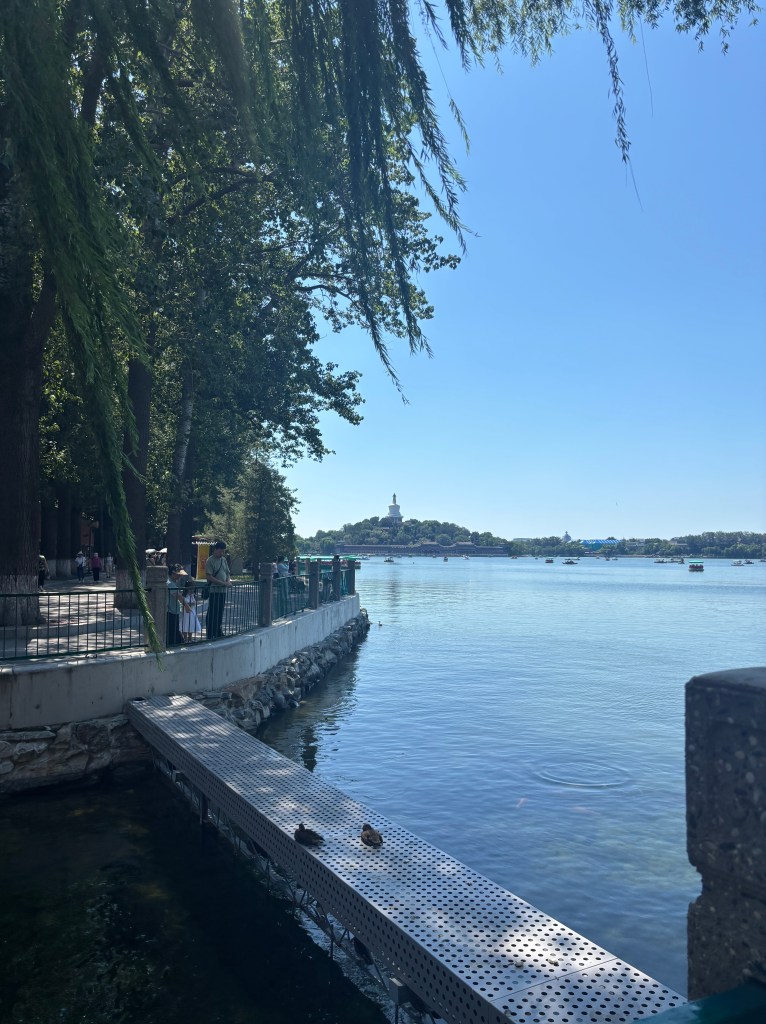
It is very intriguing to me that China is on the one hand side this hyper modern capitalistic society, which I experienced during my dinner in Sanlitun, once again. All the western and Chinese brands, the coolest people, everything is tidy, perfectly organised and moderner than in the West. The amount of change that this society has experienced in the last decades is, for someone from good old Europe, sheer unimaginable. On the other hand side I had a morning walk at Beihai Park which might definitely be more representative for traditional China. A very impressive garden illustering the imperial China and its rich and longstanding history.
Some impressions from Beihai park:



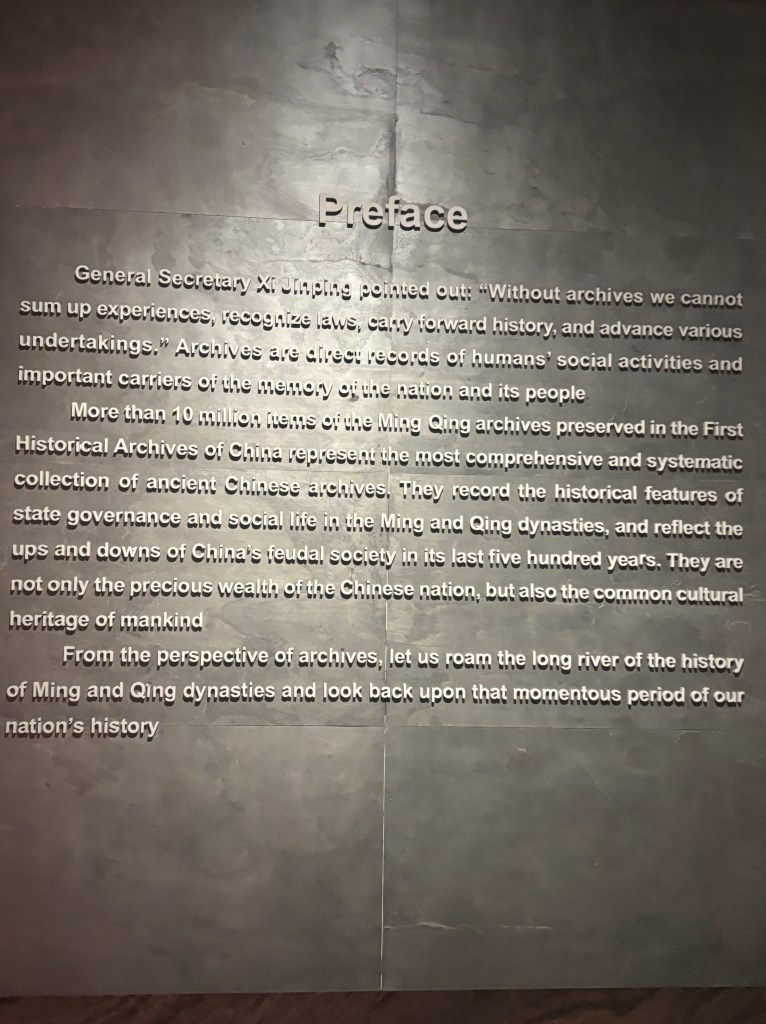
China First Historical Archives:


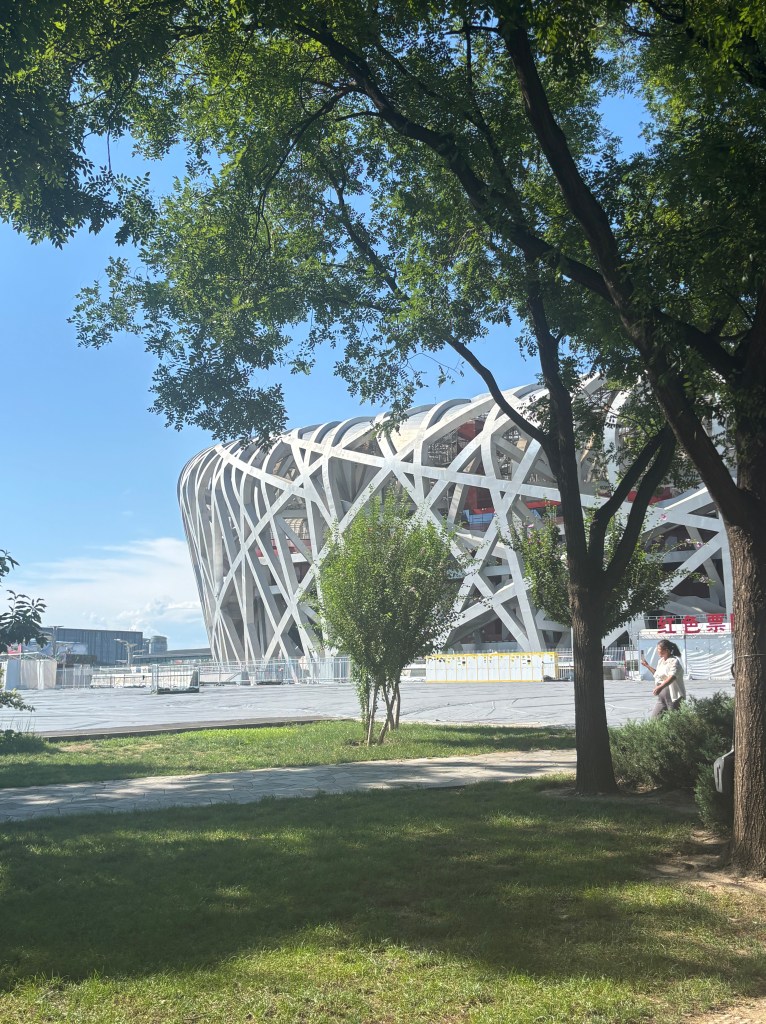
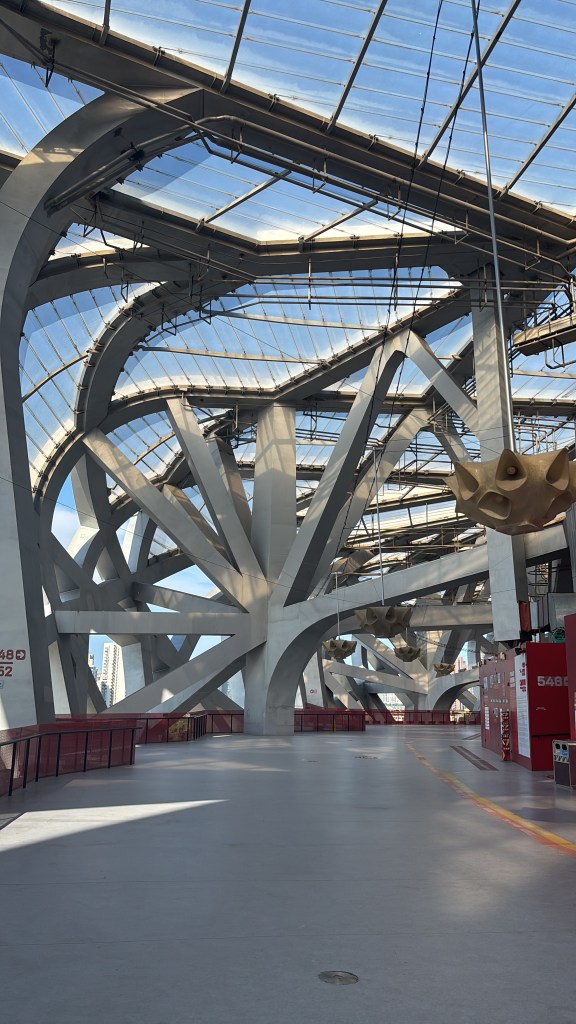
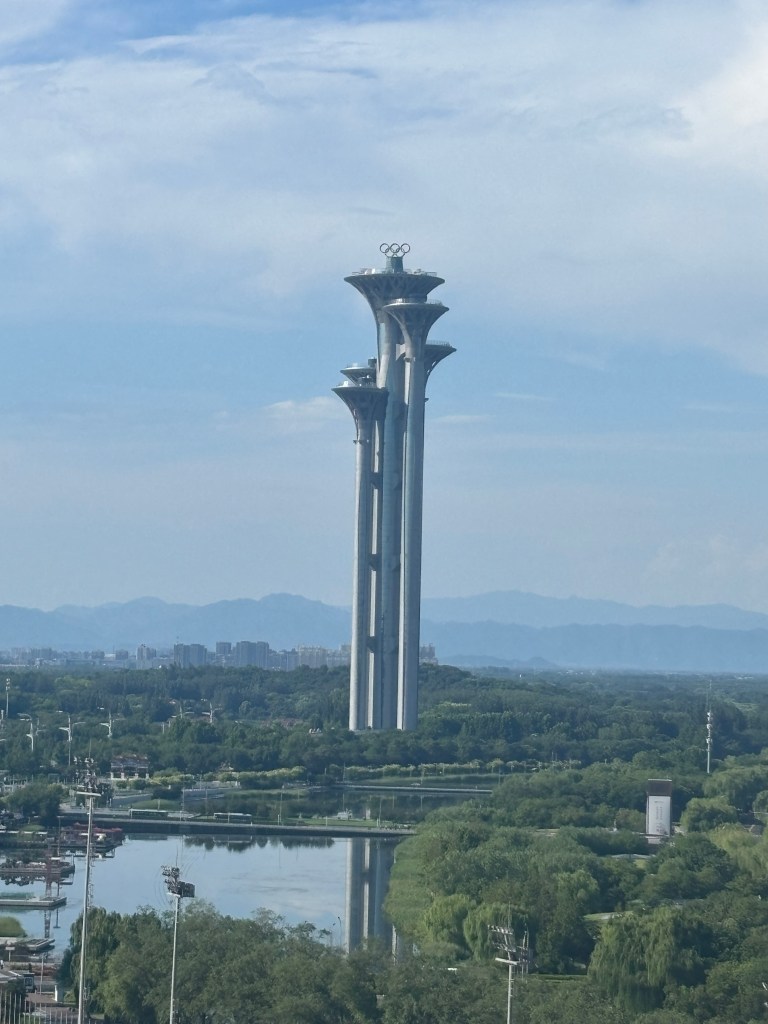
Birds nest (Olympia stadium):

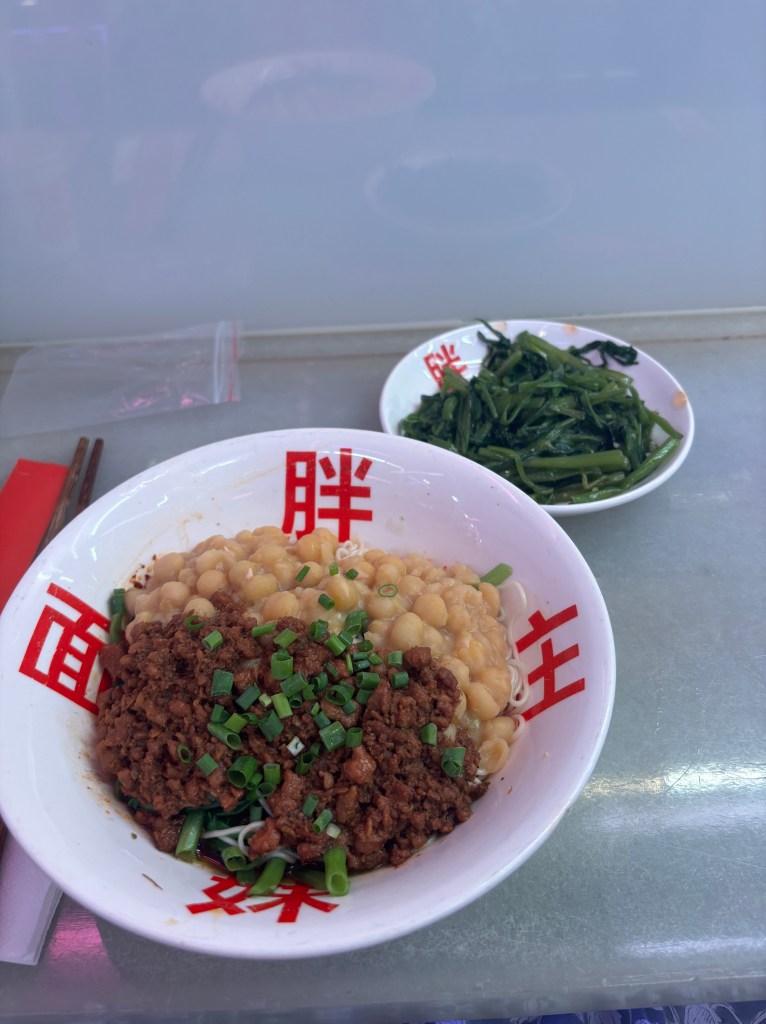
Establishing habits and staying matcha addict (probably the fanciest I ever had so far):


As a former international management student, in blurry moments, what remains? Hofstede it is (love this tool btw: https://www.theculturefactor.com/country-comparison-tool). And yes I am aware of the limitations of this models as it was part of many lectures of my bachelor and masters degrees. Anyways I do think it is a helpful proximity. What to me is the most interesting dimension in the comparison between China and Germany is uncertainty avoidance. This dimension is defined as how a society deals with the fact that the future is unpredictable. Basically on how to bypass the contradiction of whether the future should be controlled or let loose. China scores in this dimension on 30 and Germany on 65 (writing this feels like being back in Groningen in my seminar for cultural comparison – working and living abroad was what I always wanted to do; getting there). 30 is a low score whereas 65 is a very high one. What does that mean? The Chinese are pragmatic (in line with my observation) and are comfortable with ambiguity. Chinese are adaptable and entrepreneurial. Adherence to law and rules might be flexible.
My answer about how I perceive China might change, evolve and adapt over time even further and eventually I will have an verdict in the end of the trip. At the moment I do see the more likely outcome that there won‘t be an answer and that „the China“ doesn’t exist at all (as no country is one dimensional) but we should have in mind that probably no country (and if that is wrong please correct me, would be interested to learn more) has faster evolved in such a short amount of time than China (800 million people were liberated from poverty within 40 years).
Tomorrow I will hopefully see one of seven world wonders: The Chinese wall. I am excited and you will be updated.


Leave a Reply