
According to my very comprehensive research, with Chat GPT, this bonmot is attributed to Napoleon. China as a sleeping giant was a popular concept in the English-speaking world in the late 19th century. The quote captures the long-standing idea that China is a potential great power whose rise would have a profound global impact. Now China is very much awake and vividly alive, right? How did that happen?
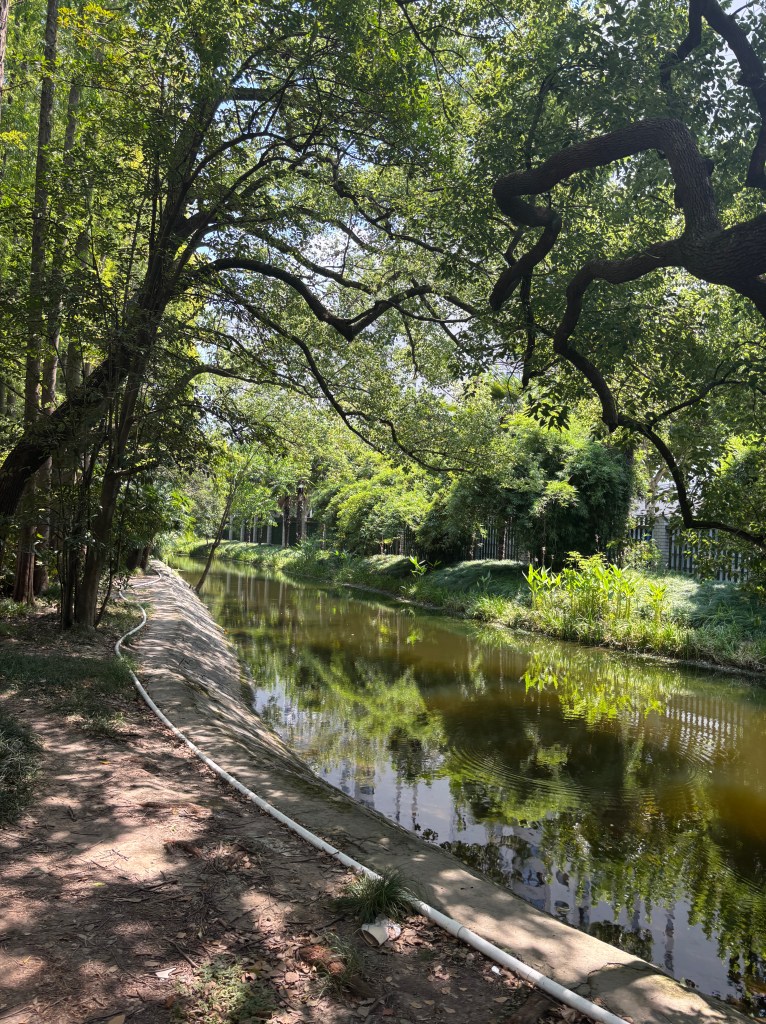
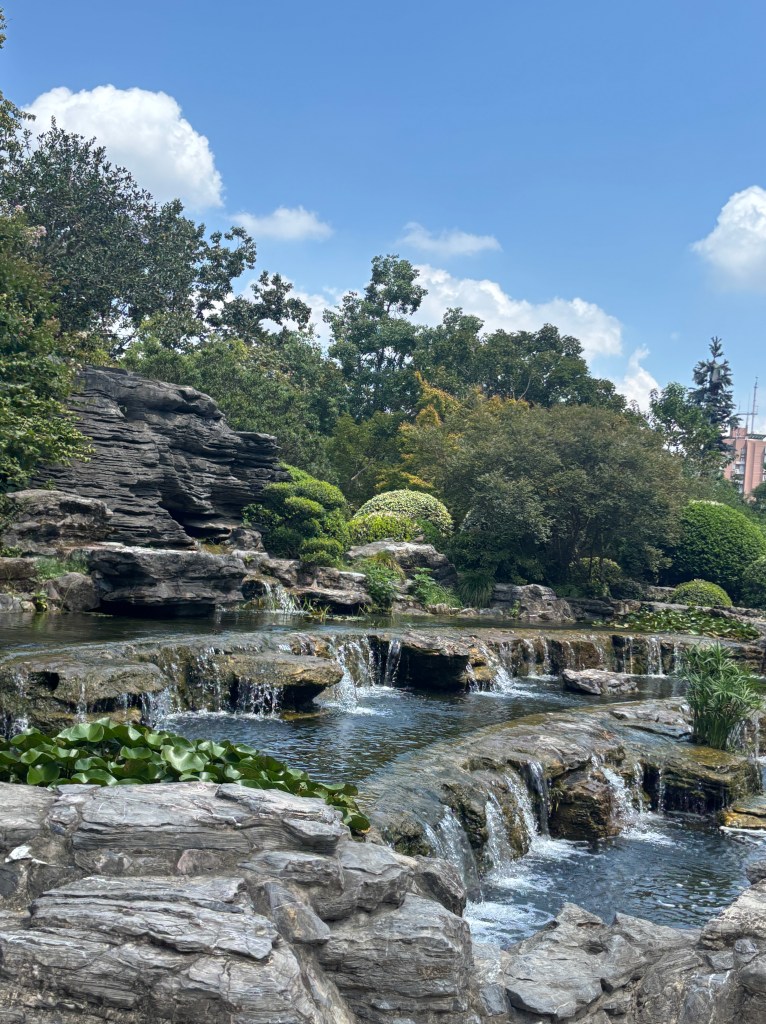
First of all let‘s start with a more surface level experience. My day was starting off at the Shanghai botanical garden, as I was really craving for something green (and due to lack of time couldn’t visit the famous Singapore botanical garden). As you might know I love the forest, and have an almost mythical relationship with it, especially at home in upper Franconia. There is a Peony garden, which sparked true joy in me, as you already know that is my favourite flower (would love to see them one day in full bloom):


After the dopamine loading in form of greenery it was time for history, once again, so I was heading to the French Concession. The French Concession was a foreign concession in Shanghai from 1849 until 1943. After the British victory in the First Opium War, foreign powers including France, obtained concessions in China through unequal treaties. The First Opium War, also known as the Anglo-Chinese War, was a series of military engagements fought between the British Empire and the Chinese Quing dynasty between 1839 and 1842. The immediate issue was the Chinese enforcement of their ban on the opium trade by seizing private opium stock from mainly Bristish merchants in Guangzhous and threatening to impose the death penalty for future offenders. Opium was Britain‘s single most profitable commodity trade of the 19th century (so yes, the proud empire was basically a drug dealer in Asia). The Chinese were defeated from the British. The British then imposed the Treaty of Nanking, which forced China to increase foreign trade, give compensation and cede Hong Kong. Consequently, the opium trade continued in China. 1839 is often considered as the start of the century of humiliation, and many historians consider it the beginning of modern Chinese history.
The century of humiliation was a period in Chinas history that began in 1839 and ended in 1945 with the Republic of China emerging out of WWII as one of the Big Four. The century-long period is typified by the decline, defeat and political fragmentation of the Quing dynasty and the subsequent Republic of China, which led to demoralizing foreign intervention, annexation and subjugation of China by Western powers, Russia and Japan. The characterisation of the period as „humiliation“ arose with an atmosphere of Chinese nationalism following Chinas defeat at the first Sino-Japanese War of 1894/95 and the subsequent events including the scramble for concessions in the late 1890s. So after this boring, short lecture about Chinese history in the 19th century, back to the French concession.
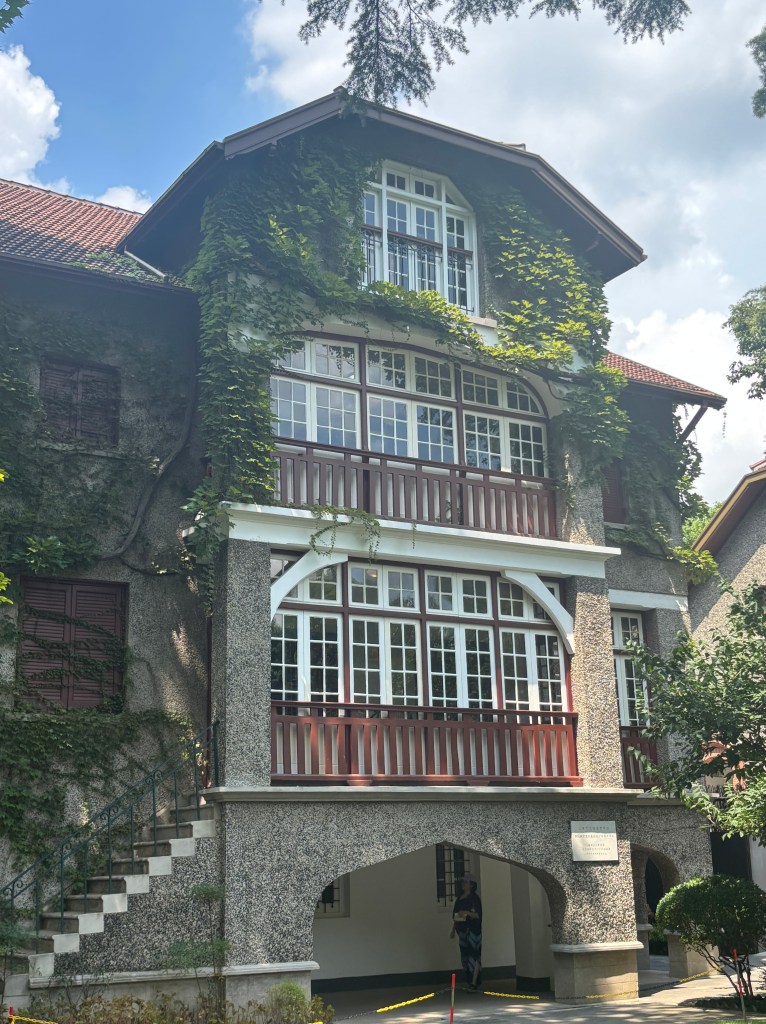
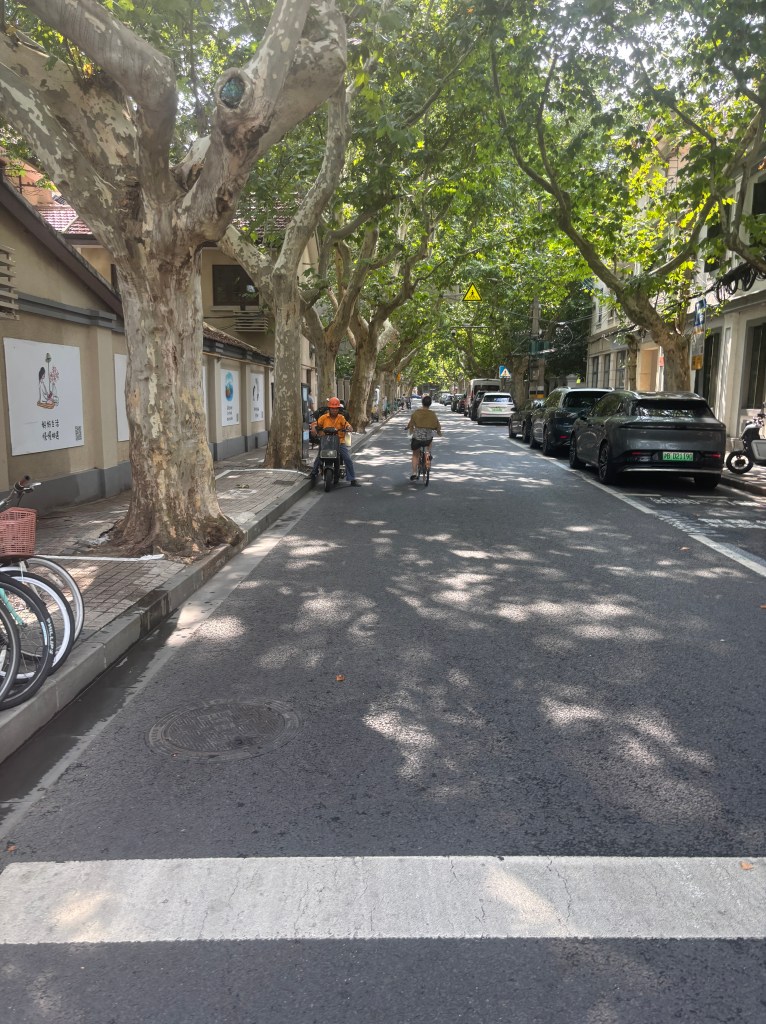
The French Concession was established on 6 April 1849. It is a mixture of different architectural styles, from clusters of traditional houses to grand French-style villas. While the French Concession began as a settlement for the French, it soon attracted residents of various nationalities. In the 1920s, with its expansion, British and American merchants who worked in the International Settlement often chose to build more spacious houses in the newer part of the French Concession. By the 1920s the French Concession was developed into the premier residential area of Shanghai. In 1937, during the Battle of Shanghai, the Chinese bombed the concession twice by mistake and killed several hundred people. When the Japanese took Shanghai in battle, their troops crossed the International Settlement unopposed. As early 1941, the occupation of Shanghai by the troops of the Japanese forced tens of thousands of Chinese to take refuge in the concessions. In 1943, during WWII, the government of Vichy France announced that it would give up its concessions. The French Confession was handed over to the pro-Japanese Jingwei Government on 30 July 1943.
After this heavy dive Intro history, a couple of the pictures, of this special neighbourhood in Shanghai, where you can find today a well curated amount of shops, cafes and restaurants and which also seems to be an attractive residential area:


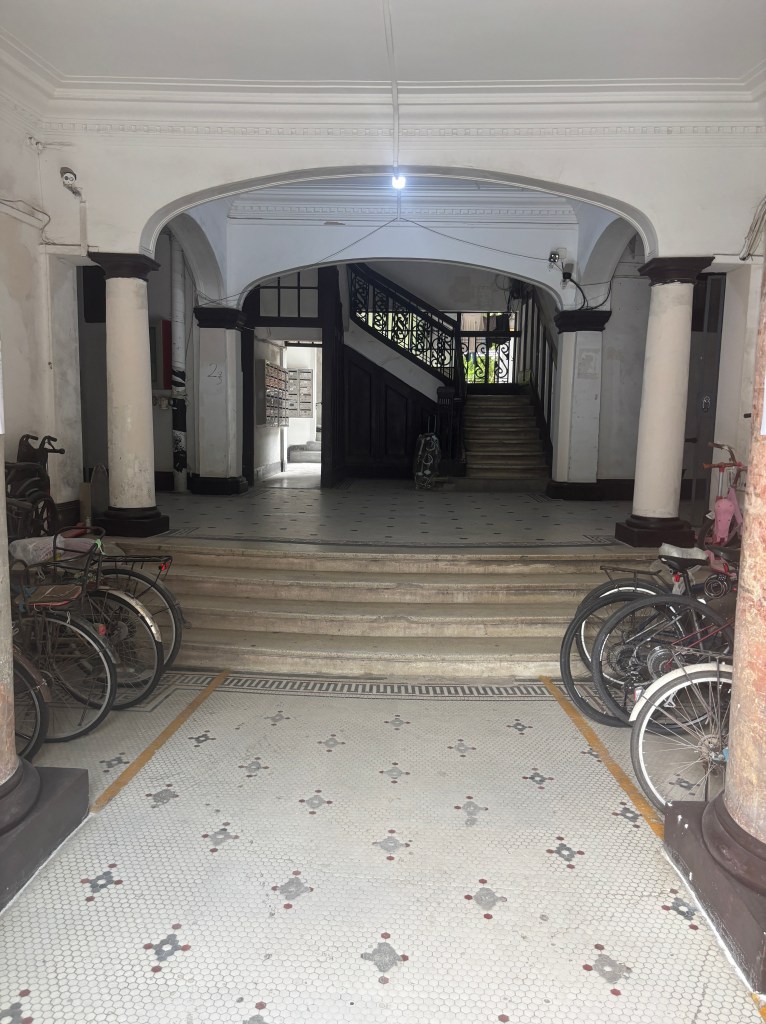
During my walk through French Concession I also turned of to Fuxing Park, which is great for people watching and besides that has a magnificent rose garden. What I have observed multiple times in China now: what is it about the park culture? Especially the elderly there are doing sports, playing games or just having chitchat on benches.
Some impressions:

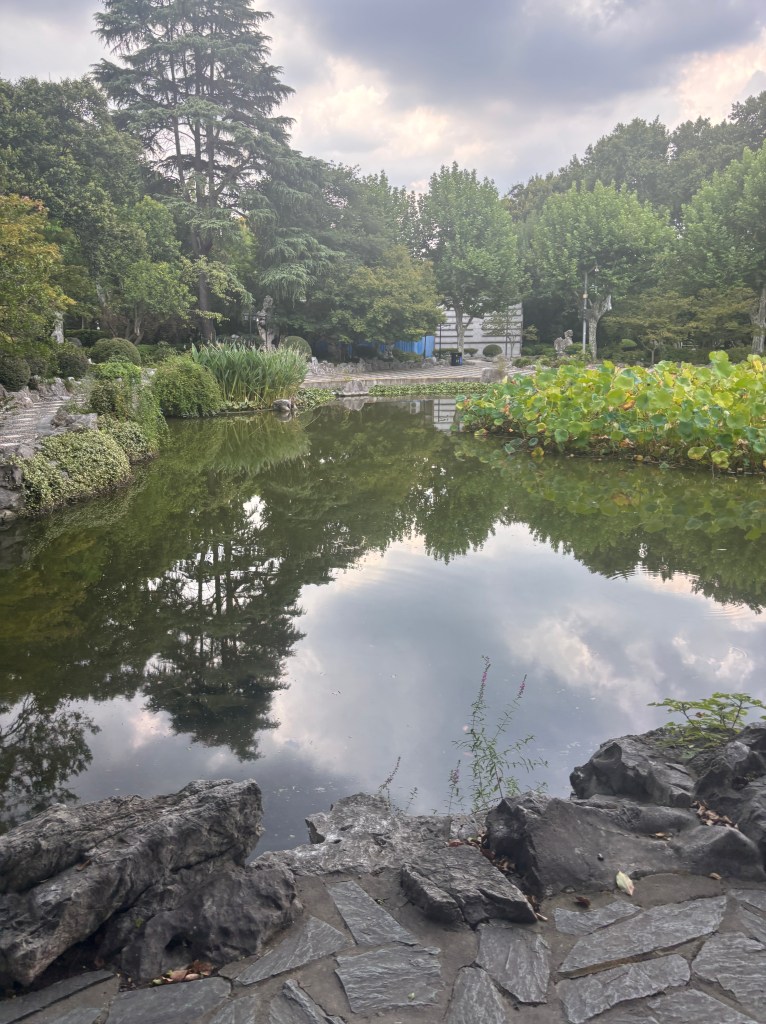
Besides my glimpse into history this girl was vibing in Shanghai lifestyle. This city is so different from Beijing. Here might be why: originally Shanghai was a fishing village and market town, the city grew to global prominence in the 19th century due to both domestic and foreign trade and its favourable port location. The city was one of the five treaty ports (besides that: Guangzhou, Ningbo, Fuzhous and Xiamen) forced to open to trade with the European after the First Opium War. The city then flourished, becoming a primary commercial and financial hub of Asia in the 1930s.
After the war, the Communist revolution soon resumed with the Communists taking over the city and most to the mainland. From the 1950s to 70s, trade was mostly limited to other socialist countries, causing the city‘s global influence to decline during the Cold War. Major changes of fortune for the city would occur when the economic reforms during the Deng Xiaoping era were conducted during the 1980s resulted in an intense redevelopment and revitalization of the city by the 1990s. The city has since reemerged as a hub for international trade and finance.
Shanghai today is described as the showpiece of the economy of China (with its rise was btw copied from the Singapore model) and is one of the ten biggest economic hubs in the world. In my eyes you can clearly feel that Shanghai is a major trade hub and has a long standing tradition in internationalism. The number of foreigners, compared to Beijing seems to be much higher, and the proficiency in English is much higher (which makes a very happy and satisfied Hanna as I was once again able to talk to multiple people today – its the little things). So as predicted by Napoleon China is shaking the world, with its vibrant and polyglot economic center in form of the polished Shanghai.
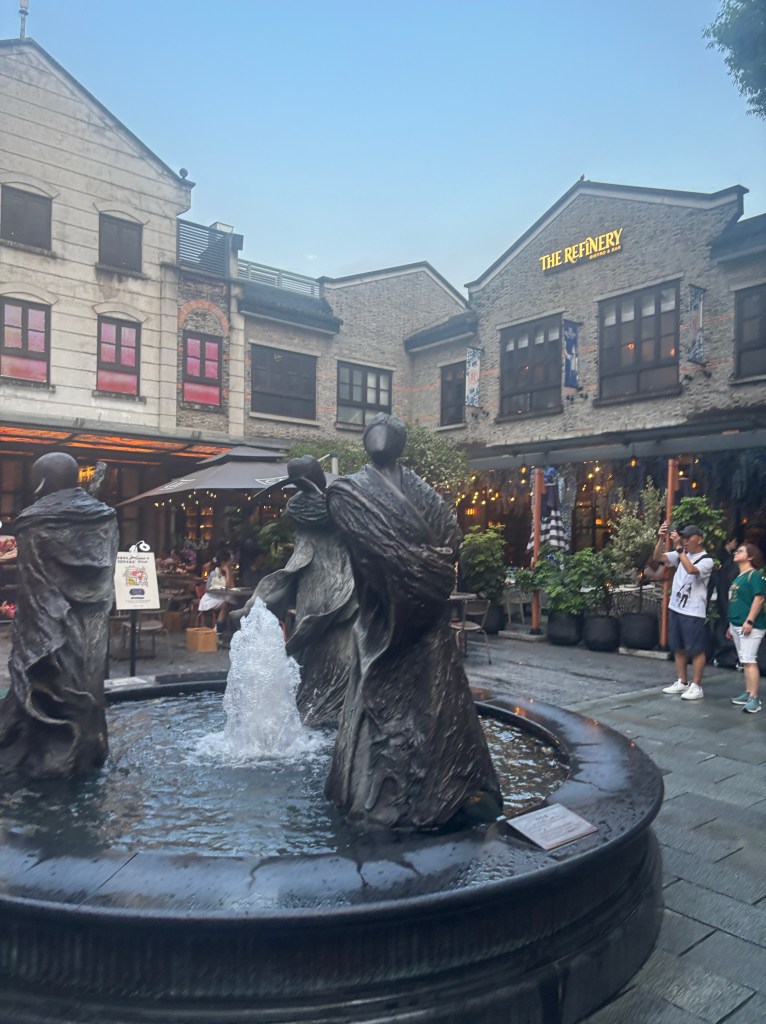
Horsing around in Xiantiandi, which seems to be the Sanlitun of Shanghai, and once more an area that is, im my eves, further developed than the European standard:


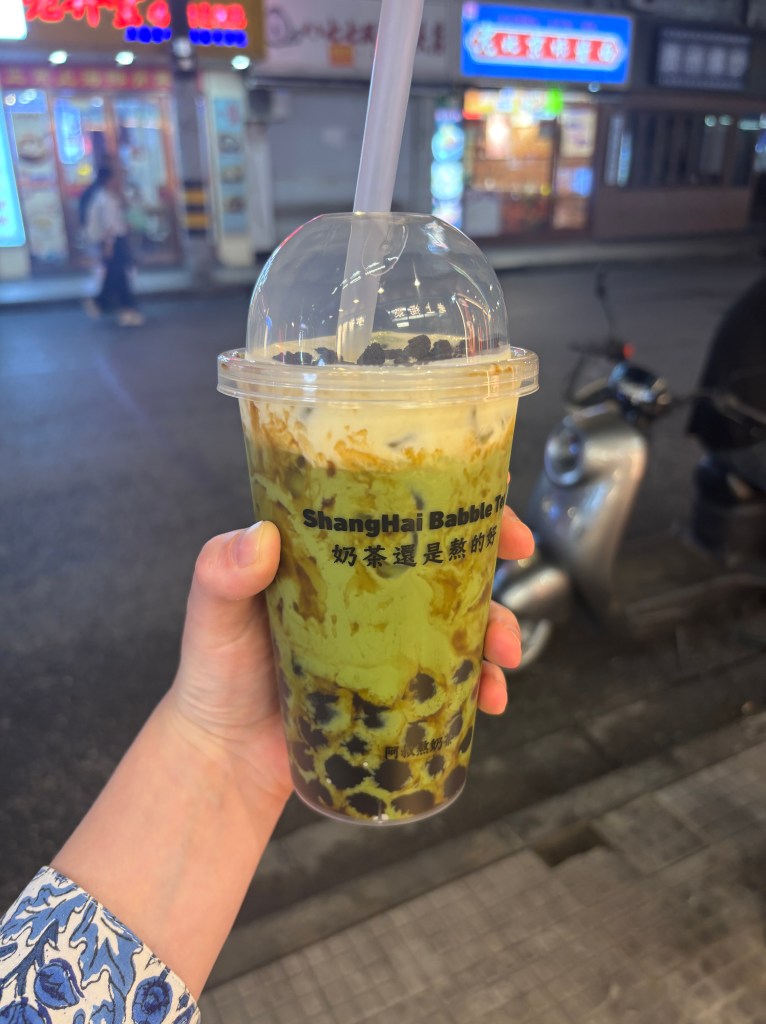
Vibing with the best crab noodles I had so far and a bubble tea, through the night:

Seems like I finally become a better travel blogger, taking the sheer amount of pictures into account I am taking.
 Just Another Millenial Travel Blog
Leave a comment